
Safety is Core to Iron Creek Group
How the Design of Iron Creek Group’s Thermal Remediation Technologies Protects Crews, Clients, and the Communities Around Every Project Site In soil remediation, safety is

How the Design of Iron Creek Group’s Thermal Remediation Technologies Protects Crews, Clients, and the Communities Around Every Project Site In soil remediation, safety is

How Iron Creek Group’s thermal technology offers wastewater treatment plants a safer, more predictable path to remediating PFAS-impacted wastewater biosolids. Why Biosolids Are a Focal

How Iron Creek Group’s TecZero™ and Enhanced Thermal Conduction (ETC) technologies recover value from refinery waste while reducing disposal costs and long-term liability. Key Takeaways

Iron Creek Group’s Enhanced Thermal Conduction (ETC) and TecZero™ deliver petroleum-impacted soil remediation on-site using advanced thermal desorption technology to remove hydrocarbons and restore soil

Iron Creek Group’s TecZero™ thermal desorption technology is designed to remove PFAS from contaminated soil and destroy the compounds through controlled thermal treatment.
Iron Creek’s technology is superior to traditional soil remediation technology for a number of reasons. It’s emergency ready, space efficient and scalable. There’s no waste, meaning one hundred percent of soil and sludge contamination is treated, keeping pollutants out of landfills. The technology treats all organic contaminants, including PFAS, hydrocarbons, explosives and more.

There are thousands of different kinds of PFAS. Overall, qualities like moisture-repellence and flame retardant which made them so appealing for commercial use are the same qualities that make them break down slowly and accumulate in the environment. Today, you can find at least small concentrations of PFAS in nearly any place you can imagine– water, air, soil, people, animals, food.
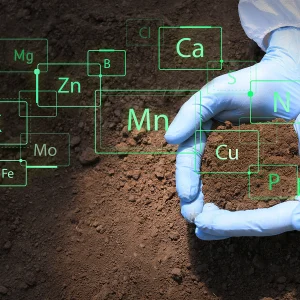
Pollutants can build up and degrade the soil. This decline in soil quality is extremely problematic, but the risks don’t stop at erosion and crop yields. When toxins sit in the soil, they can permeate groundwater and pollute water tables. As we know, when water sources are affected, the matter becomes dire. One only needs to look to Red Hill in Hawaii, in which residents were sickened and displaced as a result of aging infrastructure that leached fuel into the drinking water.
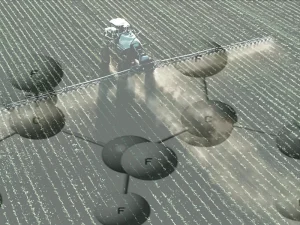
PFASs are oil and water repellent, fire suppressant, non-stick and stain resistant. Consequently, PFAS chemicals are found in everything from clothing and household items to agriculture, food and food packaging and drinking water. PFASs are even found in breastmilk and 98% of human bloodstreams.
Admittedly, the health risks of PFAS exposure were underreported even though manufacturers conducted studies that found these substances caused thyroid, liver, kidney and spleen problems, immune deficiencies, fertility issues, cancers and more.

Iron Creek Group offers environmental teams next-level remediation technology designed to comply with the most stringent environmental standards around the globe. From oil spills to PFAS contamination, the patented designs of Iron Creek’s emergency ready technologies have minimal emissions and small carbon footprints. They are nimble, scalable and ready to solve complex environmental issues at a moment’s notice— even in some of the world’s most remote and challenging environments.

According to the 2020 report, England has 182,000 brownfield sites — the equivalent of 64,247 acres — that can sustain more than one million new homes. America has an estimated 450,000 brownfields that could be redeveloped to support new housing. The restoration of these sites will improve local property values and help increase the tax base of municipalities. But brownfield redevelopment can be fraught with problems, a deterrent for investors and developers.

The redevelopment of brownfield sites can bring additional economic value to towns, and allow for building without taking over previously unoccupied natural lands. But restoring contaminated sites can be difficult, expensive, and even dangerous. There are ways to simplify the process, and it all boils down to the right technology.